Search
Total: 50 results found.
Page 1 of 3
Glossary
Shoal: Minimum level of flow that rivers, lagoons, etc. have at certain times of the year. because of natural drought
Substrate: Substance on which an enzyme acts
Resilience: Adaptation capacity of a living being in front of an adverse state
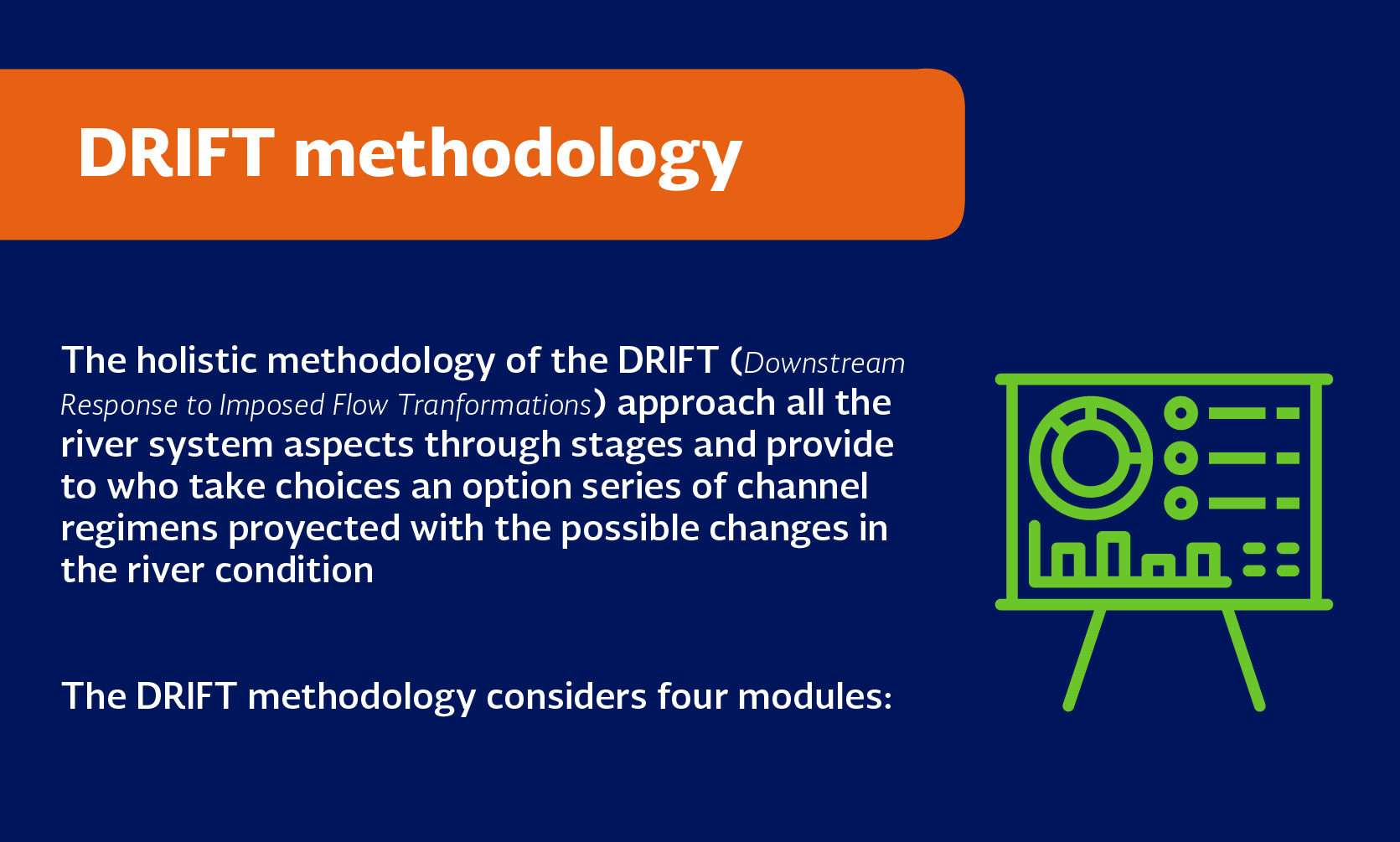
DRIFT: Holistic methodology to maintain the integrity of the channel and its ecosystem (Downstream Response to Imposed Flow Transformation)
Biophysicist: person that conducts the study of biological phenomena through physics.
Holistic: Pertaining to the conception of each reality as a whole other than the chasm of the parts that compose it.
Geomorphological: Study of the characteristics of the earth's crust
Fuente: Real Academia Española (http://www.rae.es/)
Get wet
By Cauê Kriechle
English translation by Fermín Ocampo Olvera
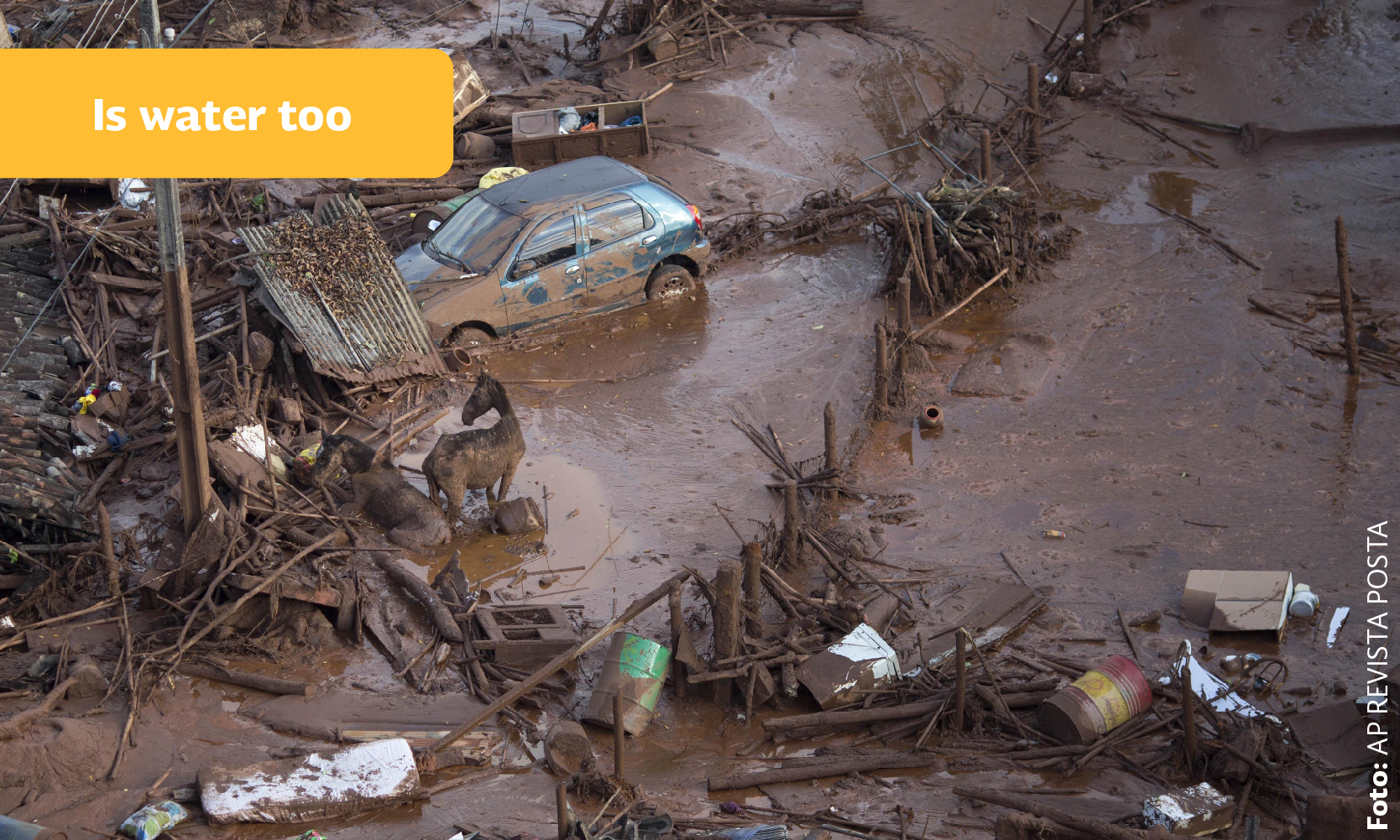
More than ten years ago, Roberto da Silva lives in a reality full of effort, he wakes up at seven o´clock in the morning and works for 12 hours continuous, he pays transport and a helper once a week, with that money he maintains his family, in a simple house and far away from the urban zone.
What is an
“Apantle”
By Carlos Gael Pérez Catalán, Daniel Eduardo Salinas Ramírez, Pablo Trujillo Carrillo y Héctor San Román Caraza
Translated by: Jorge Emiliano Turner Escalante
The apantles are a type of waterway at ground level in diverse localities.



Inform yourself
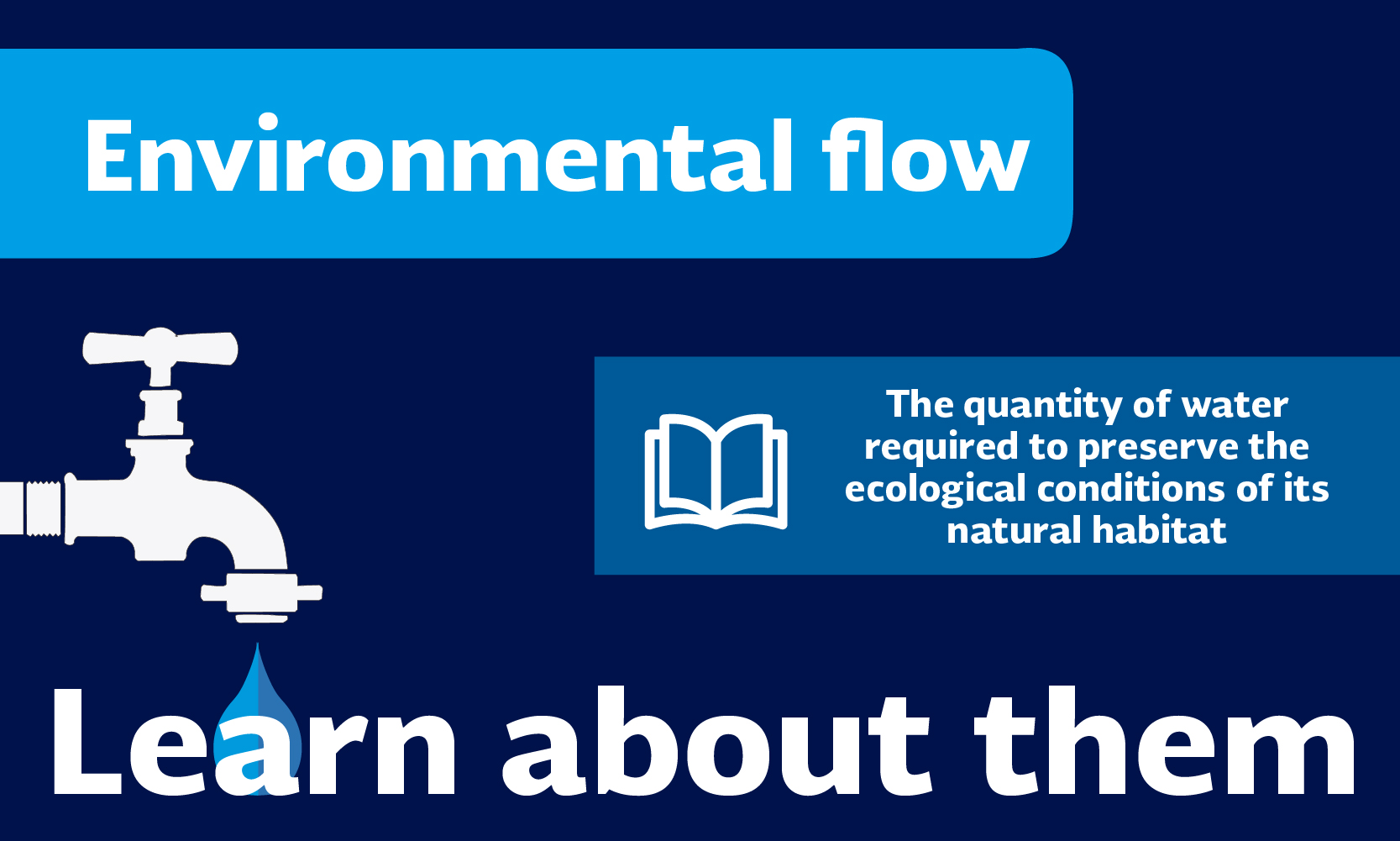
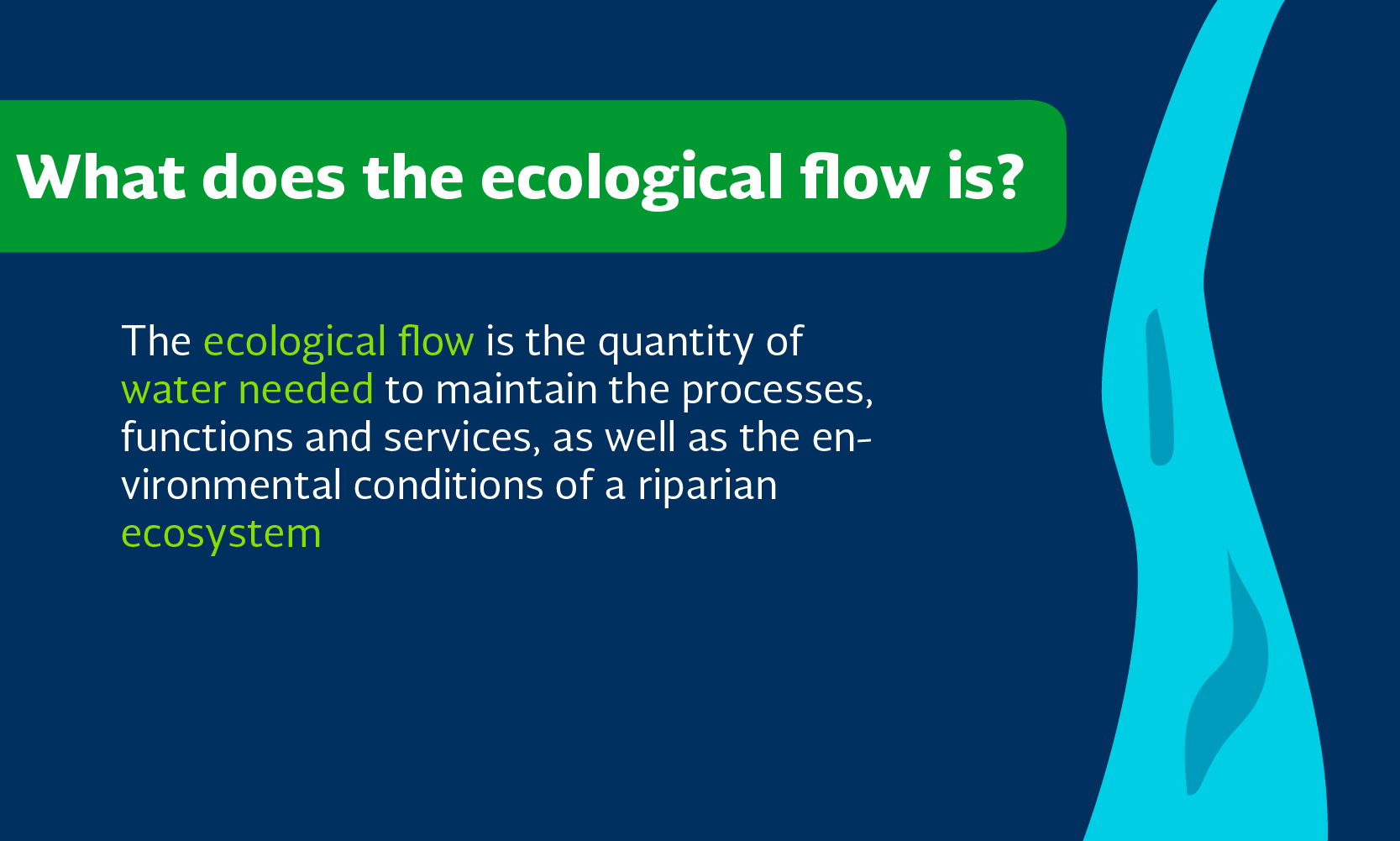
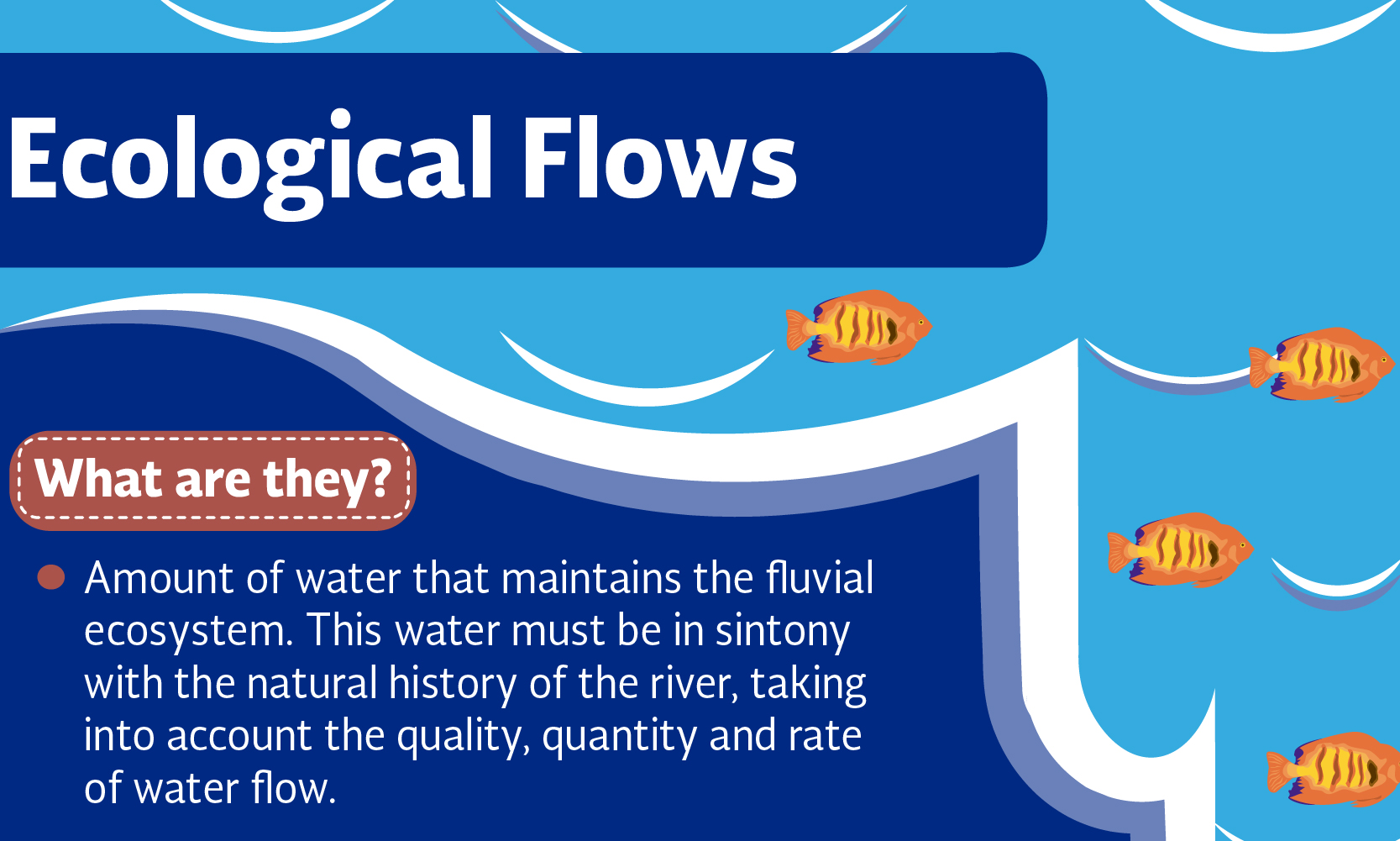
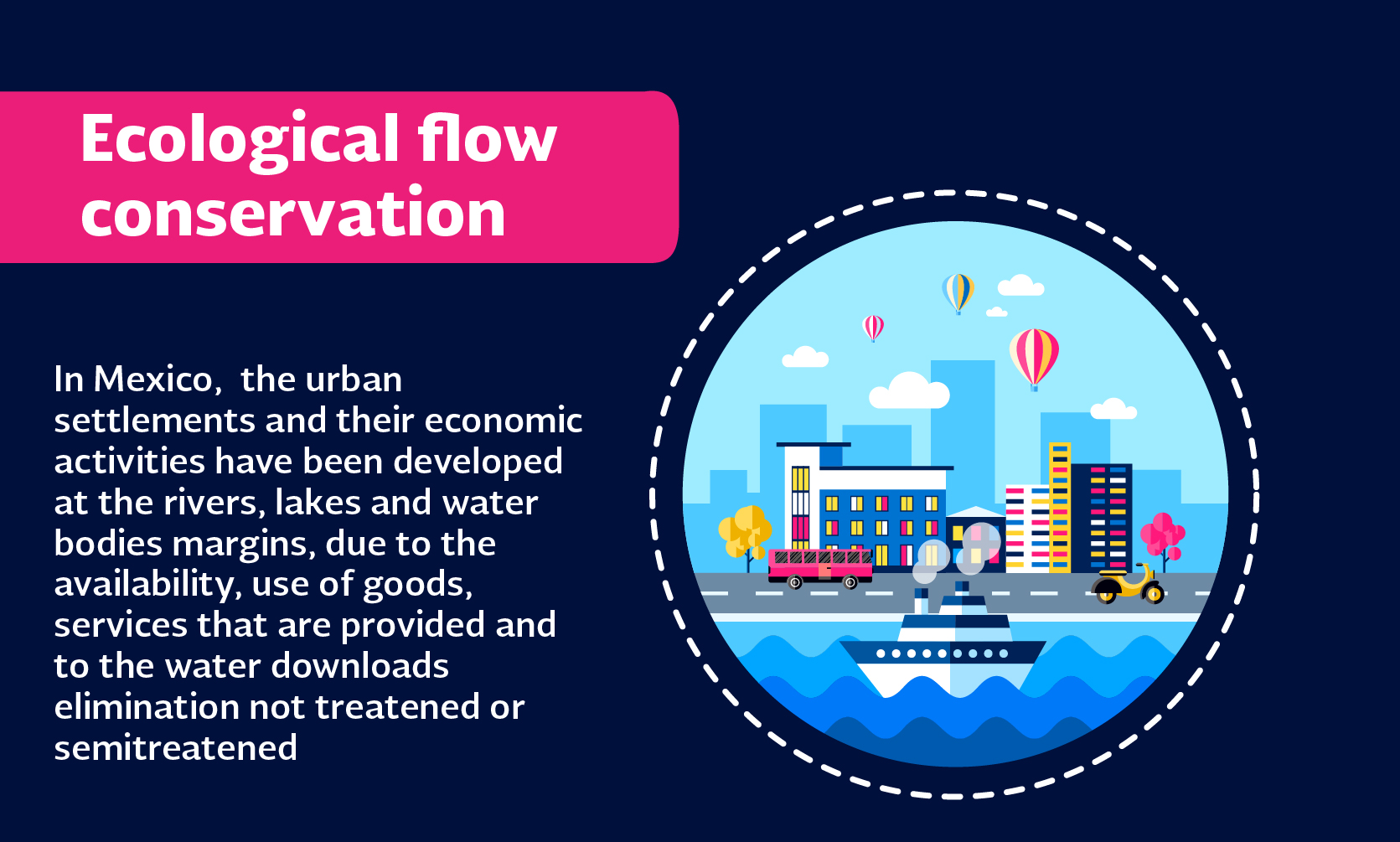
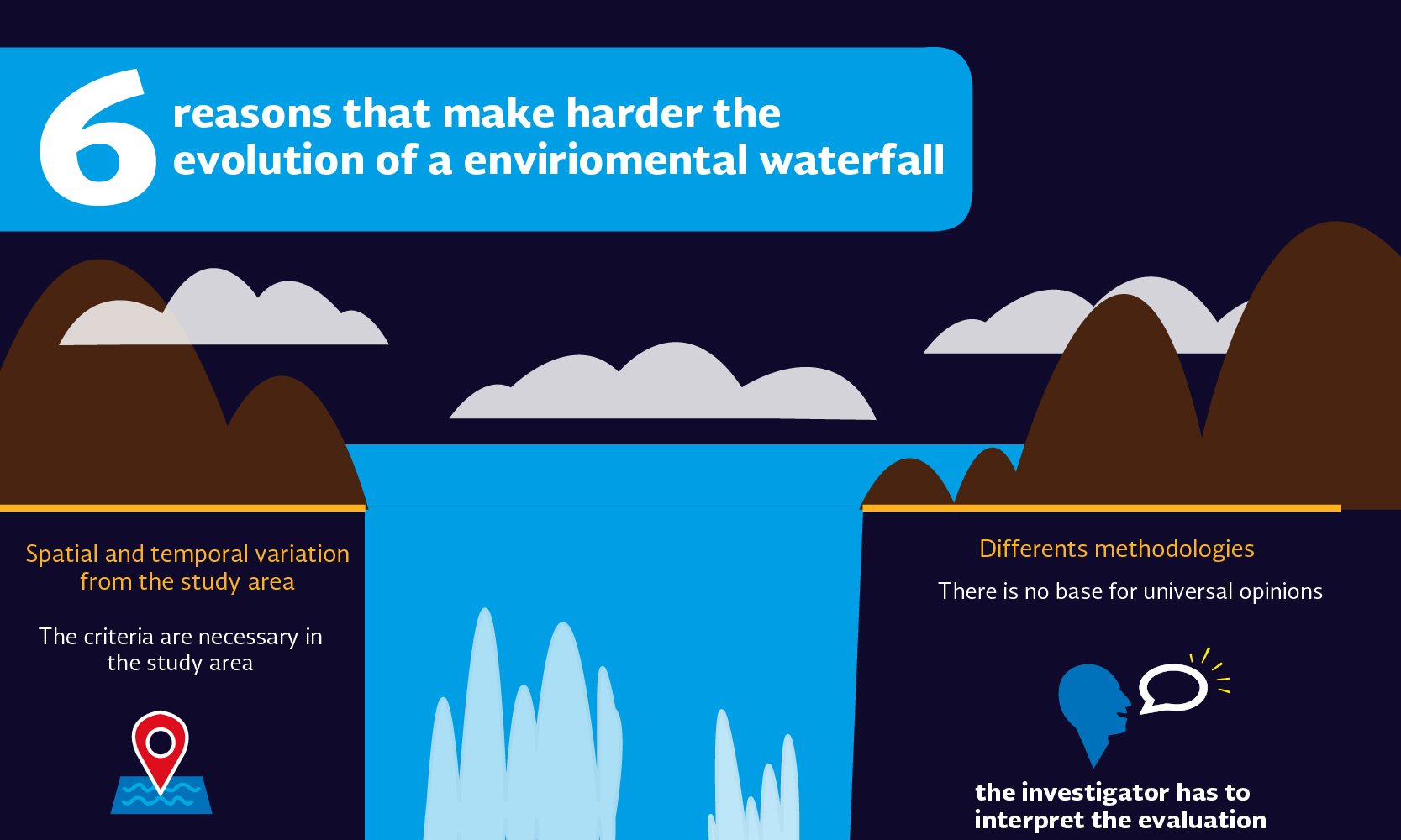
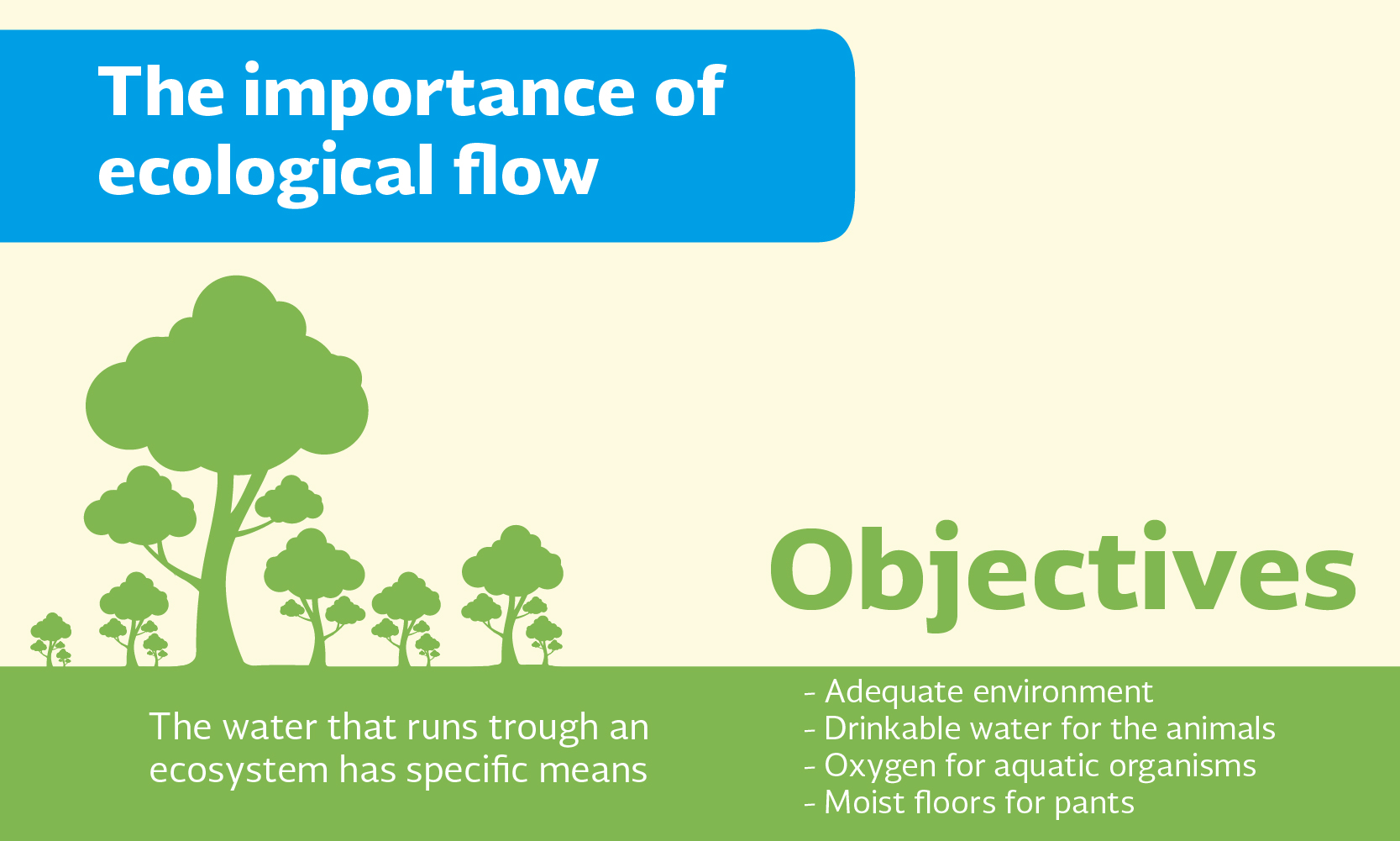
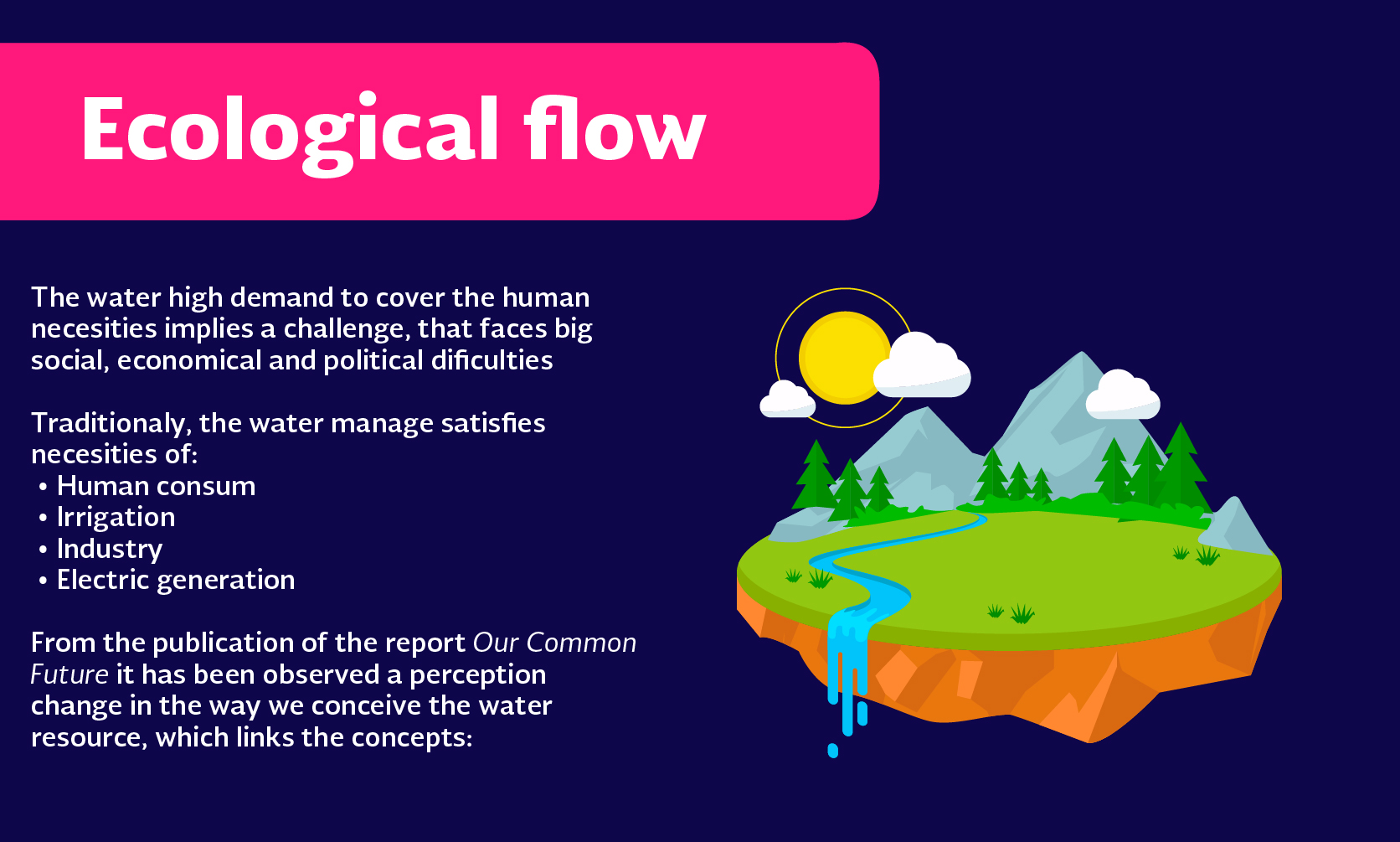
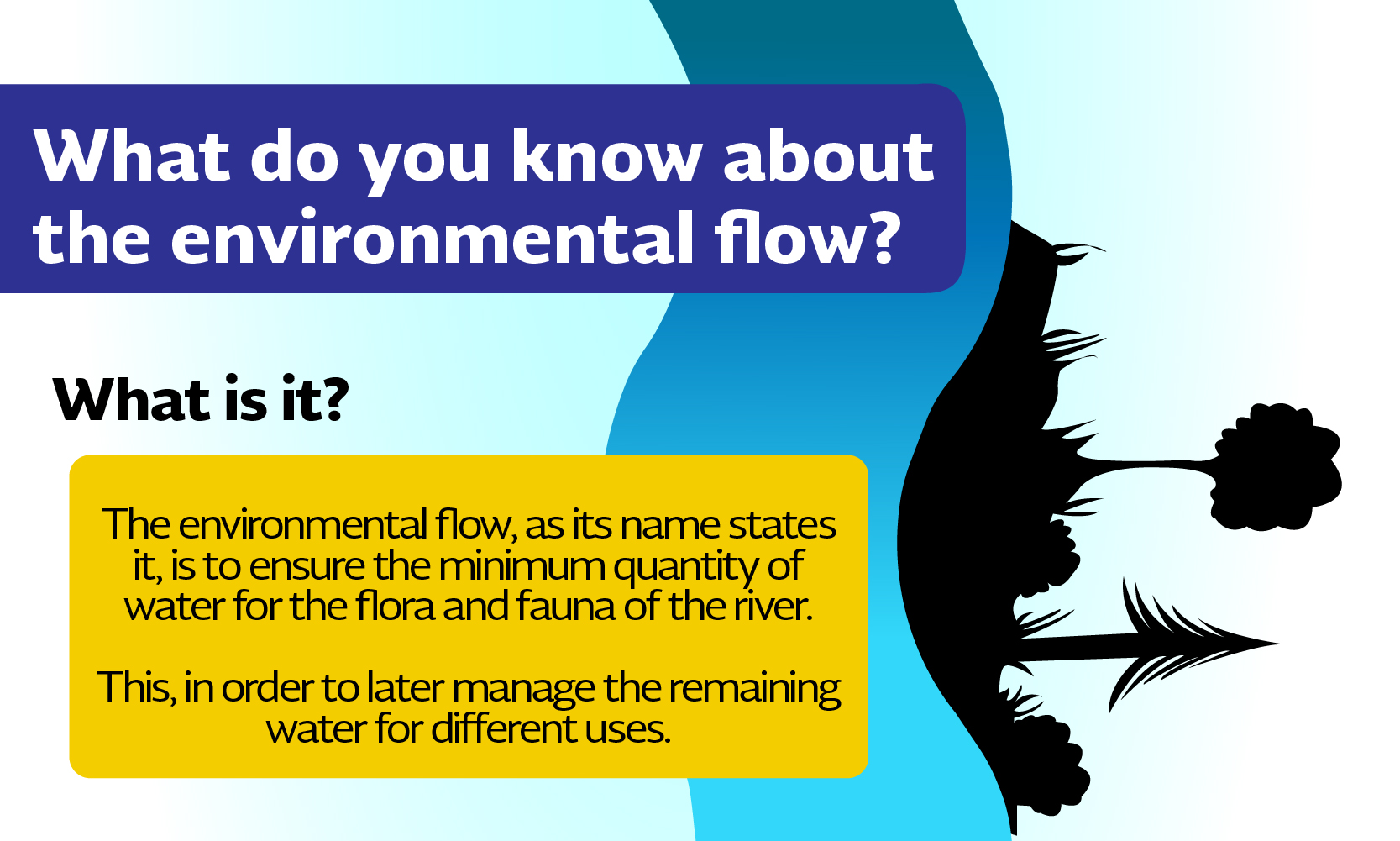
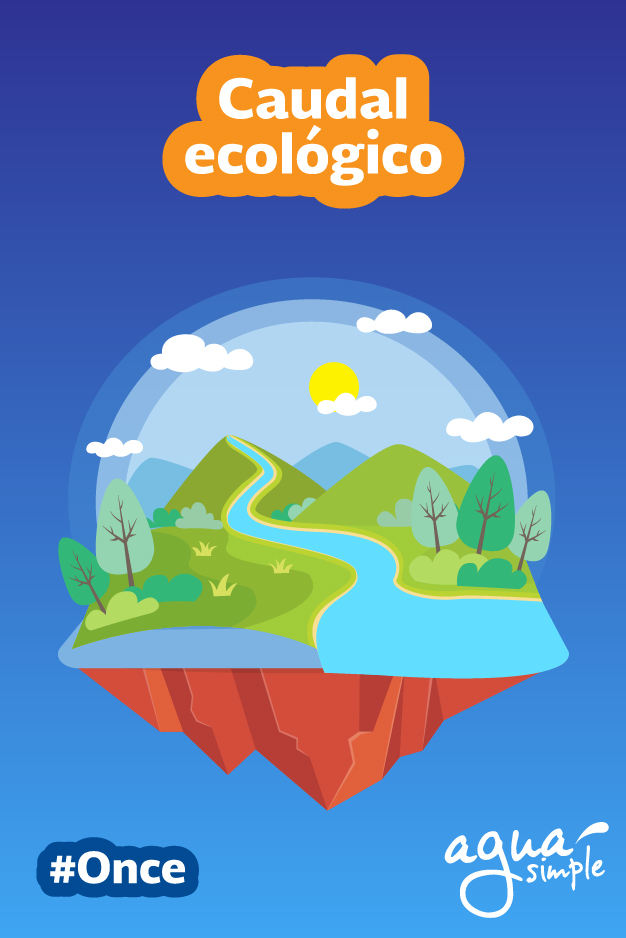
Take a look at this infographic, it teaches us about ecological flows and their meaning
Did you know?...
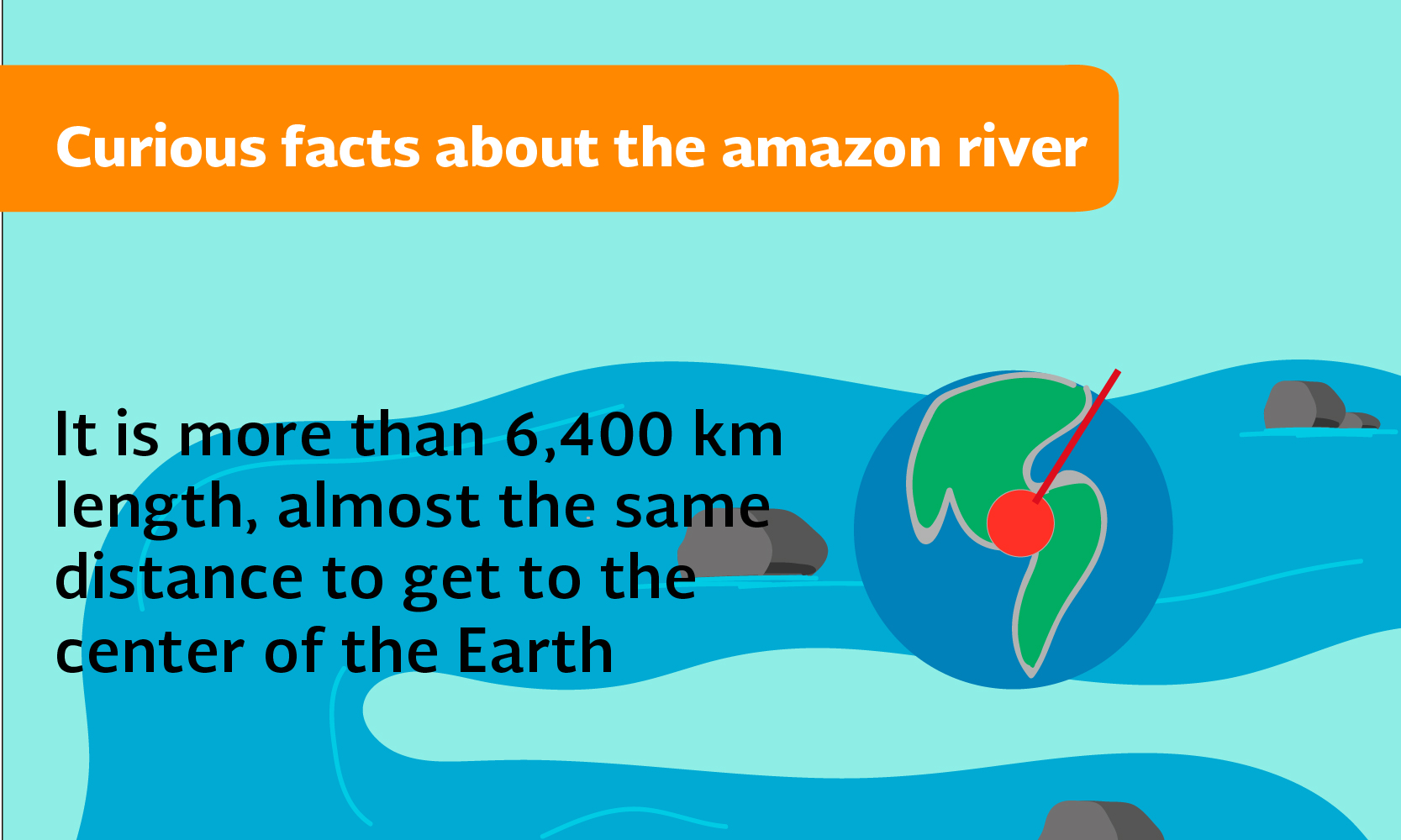
The Amazon river is more than 6,400km long! The same distance to the center of the earth!
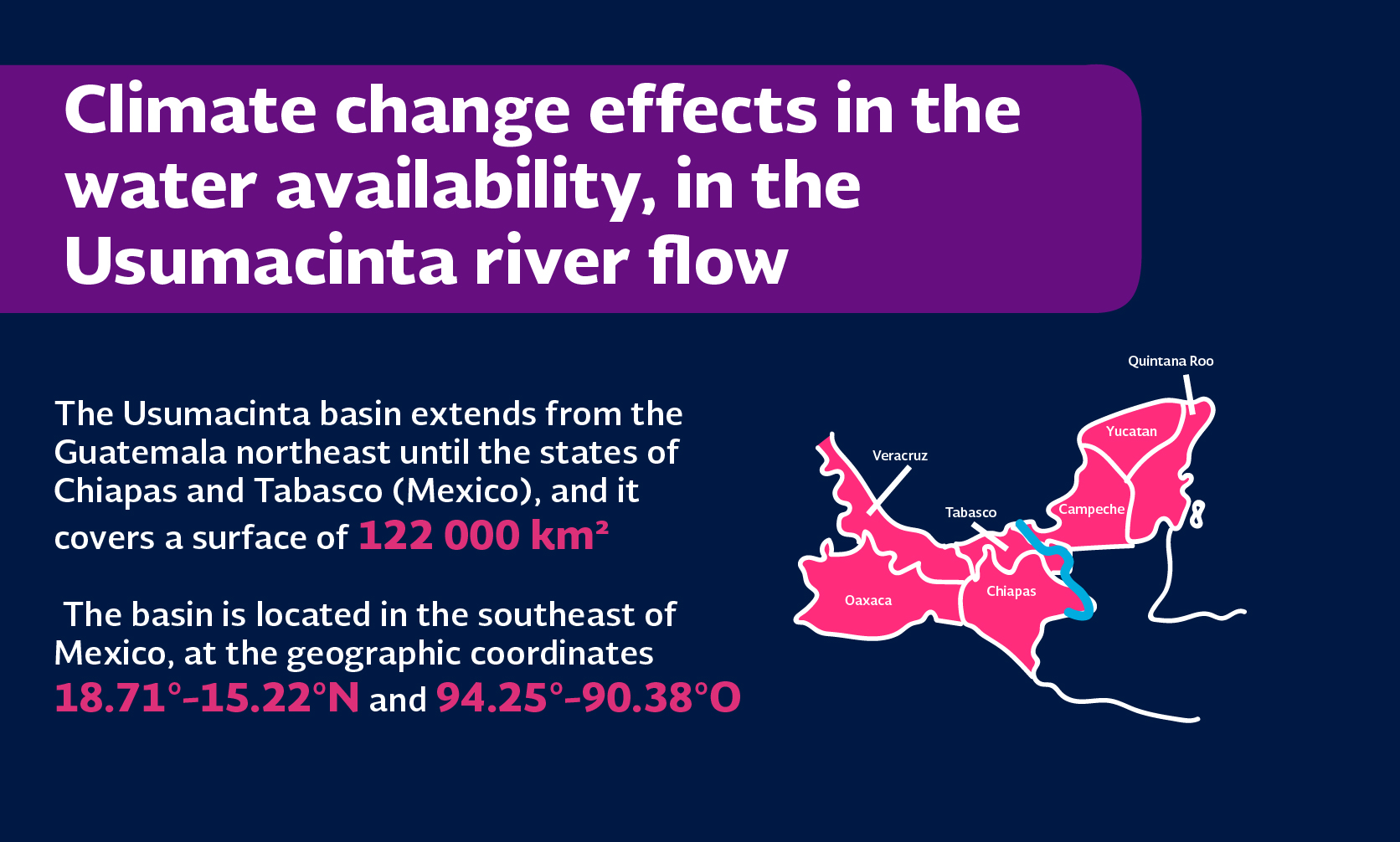
Climate change in our flows
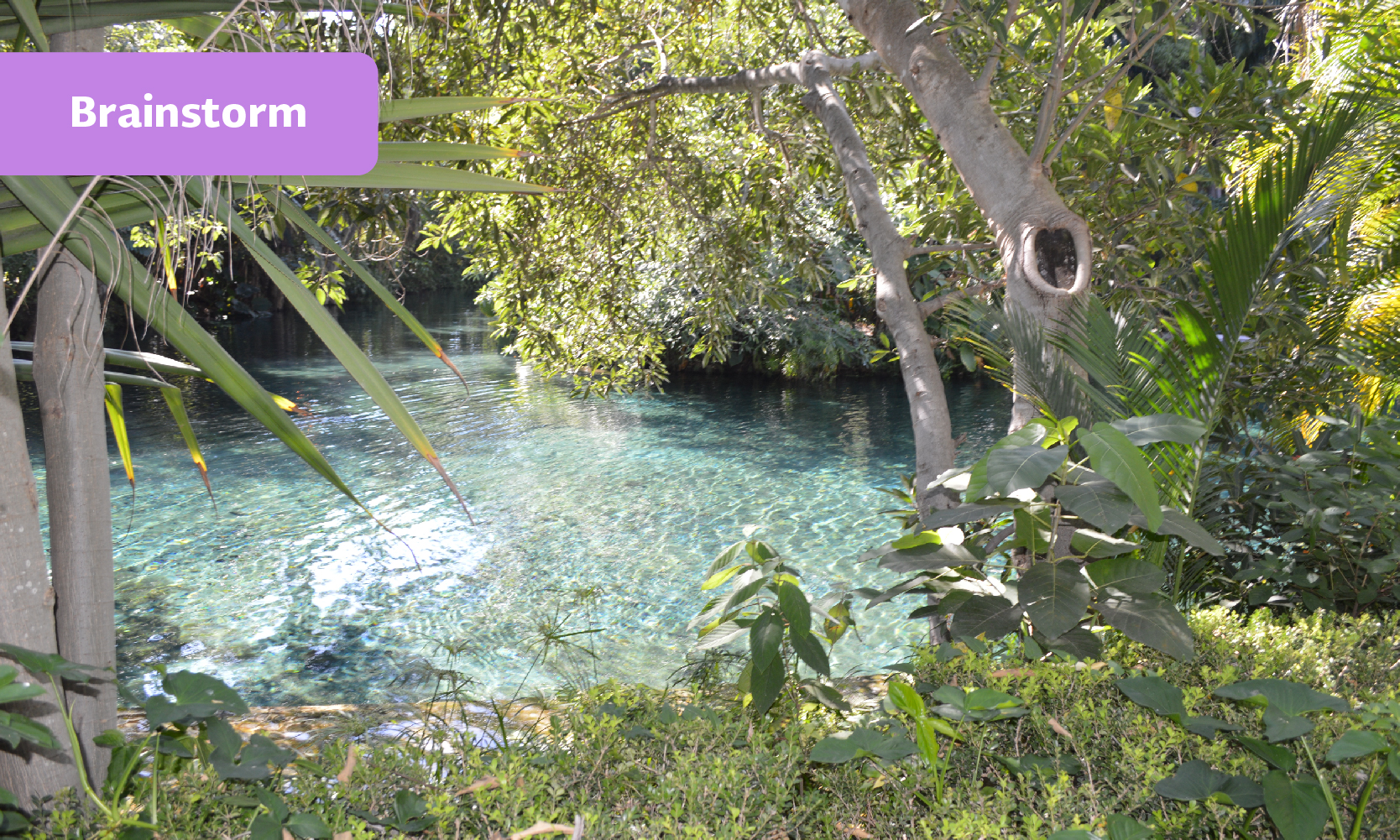
We must analyze the evolution of the impact climate change has had in our water bodies in order to preserve them through actions like: the conservation of species, recovery of aquatic ecosystems, the welfare of the population, etc.
Ecoturismo
Por Diana Sarahy Guzmán Salas, Verónica Quiñones Corona, Evelyn Danae Vega
El caudal ecológico (CE) en ríos y humedales es un instrumento de gestión que permite acordar un manejo integrado y sostenible de los recursos hídricos, que establece la calidad, cantidad y régimen del uso de agua requerido para mantener los componentes, funciones, procesos y la resiliencia de los ecosistemas acuáticos que proporcionan bienes y servicios a la sociedad.
Hoja legal y directorio
|
©AGUA SIMPLE es una publicación coeditada por el Instituto Mexicano de Tecnología del Agua y el Consejo Consultivo del Agua, A.C. Paseo Cuauhnáhuac 8532, colonia Progreso, 62550 Jiutepec, Morelos, teléfono +52 (777) 3 29 36 00, extensión 124 / Monte Pelvoux 111, Piso 2, Colonia Lomas de Chapultepec, Delegación Miguel Hidalgo, 11000 México, D.F., teléfono: +52 (55) 52 84 28 46, fax: (55) 52 84 28 03. Editoras responsables, Helena Rivas López y Diana González Aguilar. Webmaster, Claudia Patricia Martínez Salgado. Reserva de Derecho al Uso Exclusivo No 04-2012-011314034800-203, ambos otorgados por el Instituto Nacional de Derechos de Autor. Responsable de la última actualización de este número, Subcoordinación de Vinculación, Comercialización y Servicios Editoriales, Paseo Cuauhnáhuac 8532, colonia Progreso, 62550 Jiutepec, Morelos. Fecha de la última modificación, enero de 2017. La responsabilidad del contenido de los artículos corresponde exclusivamente a los autores y no necesariamente refleja la postura del editor de la publicación. |
Consejo Directivo
Director General del Instituto Mexicano de Tecnología del Agua (IMTA):
Dr. Felipe I. Arreguín Cortés
Presidente del Consejo Directivo del Consejo Consultivo del Agua, A.C. (CCA):
Dr. Jesús Reyes Heroles González Garza
Director Ejecutivo del Consejo Consultivo del Agua:
Lic. Juan José Huerta Coria
Coordinador de Proyectos del Consejo Consultivo del Agua:
Lic. Jorge Fuentes Martínez
Coordinador de Comunicación, Participación e Información del IMTA:
M.C. Jorge Arturo Hidalgo Toledo
Consejo Editorial
Instituto Mexicano de Tecnología del Agua
Consejo Consultivo del Agua, A.C.
Editoras:
Helena Rivas López
Diana González Aguilar
Márcia Azevedo Coelho
Revisor técnico del número de Caudal ecológico:
Dra. Rebeca González Villela, Instituto Mexicano de Tecnología del Agua
Comité Editorial:
Marco Antonio Sánchez Izquierdo
Francisco José Salinas Estrada
Jorge Fuentes Martínez
Webmaster:
Claudia Patricia Martínez Salgado, This email address is being protected from spambots. You need JavaScript enabled to view it.
Diseño e ilustraciones:
Alejandra Morales Rangel
Paola Cobos Terrazas
Estudiantes del Insituto Tecnológico de Estudios Superiores de Monterrey, campus Cuernavaca
Fotografía:
Sistema de Consulta de Fondos Documentales y Colección Estudios y Proyectos (CONAGUA)
AGRADECEMOS EN ESTE NÚMERO LA PARTICIPACIÓN DE:
Instituto Mexicano de Tecnología del Agua (IMTA)
Luis Arturo Brizuela Mundo
Hermenegildo Alejandro Cisneros
Producción audiovisual:
Hermenejildo Alejandro Cisneros
Diana González Aguilar
Carlos Peña Montiel
Luis Aviles Rios
Emilio Ariza Díaz
ESCUELAS INVITADAS
SECUNDARIA: COLEGIO ESPÍRITO SANTO, SAO PAULO, BRASIL
Directora general:
María Helena Galucci
Directora pedagógica del colegio "Espírito Santo":
Clarice Monreal
Directora administrativa:
Pricila Spera
Coordinadora Pedagógica de la secundaria:
María Eunice Cardoso
Coordinadora de Idiomas y responsable de vinculación:
Márcia Azevedo Coelho
Profesora del idioma portugués:
Cristiane Imperador
PREPATEC, CAMPUS CUERNAVACA, MORELOS
Directora del Centro de Bachillerato Tecnológico Agropecuario 129:
Lic. Marisol García Bustos
INSTITUCIONES INVITADAS DE MÉXICO
WWF, MÉXICO:
Ing. Eugenio Barrios Ordoñez
Departamento de Difusión de Ciencia, Tecnología e Innovación
División de Investigación y Posgrado, Facultad de Ingeniería:
Estudiante de la Facultad de Ingeniería Culiacán, Licenciatura en Ingeniería Civil
Jesús Manuel Armenta Marjarrez
correo: This email address is being protected from spambots. You need JavaScript enabled to view it.
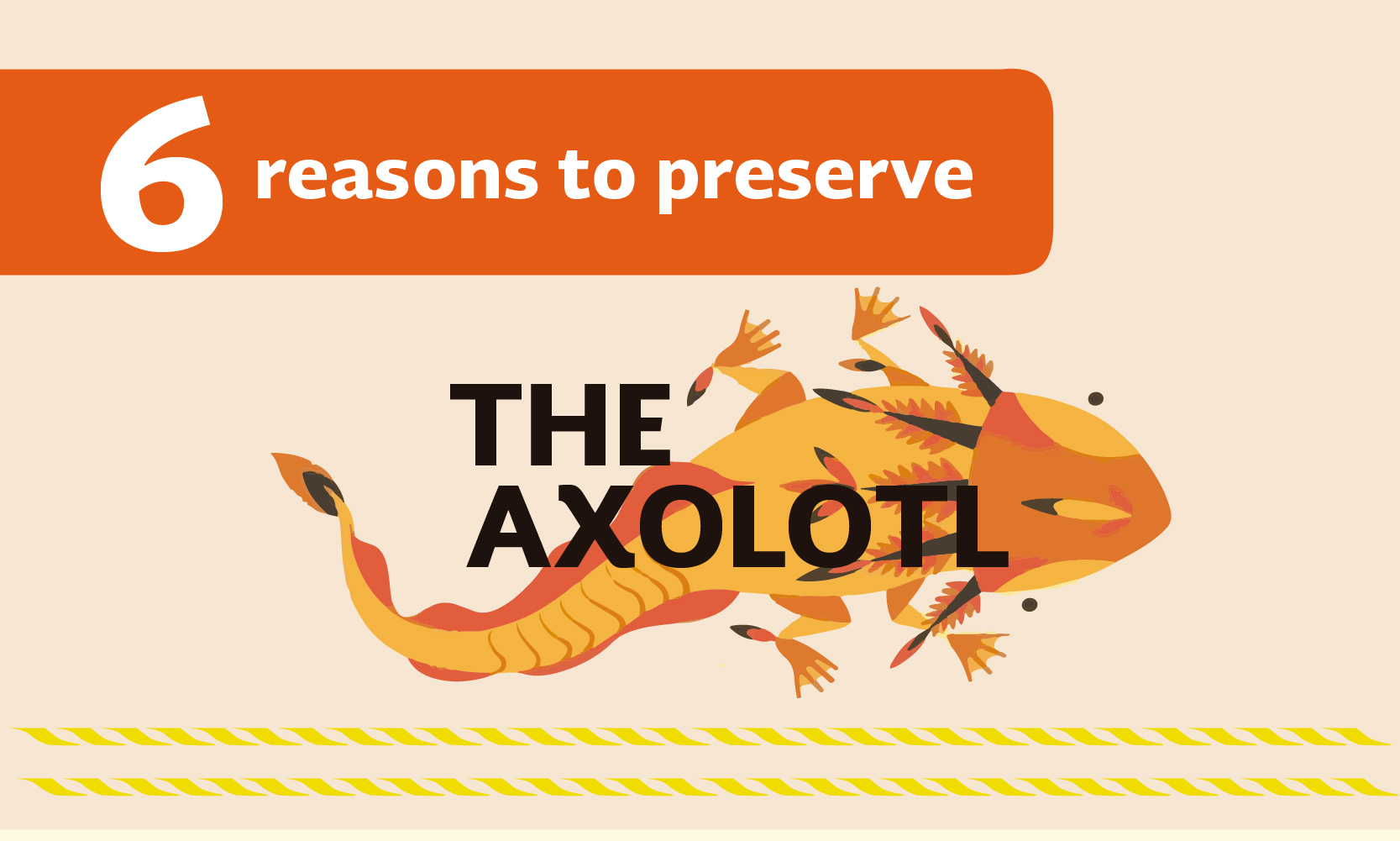
Take care of the species is our duty
The axolotl usually lives in lakes and is well known for its ability to regenerate limbs, learn about its history: